Commercial
Commercial roof
repair.
Finding where the water enters, not where it appears inside. Seams, flashings, drains and penetrations on membrane, modified bitumen and metal.
Commercial
Finding where the water enters, not where it appears inside. Seams, flashings, drains and penetrations on membrane, modified bitumen and metal.
The stain is almost never under the hole. On a low slope roof water enters at a failure, runs between the membrane and the insulation, and comes through at the nearest low point or seam in the deck. Chasing the ceiling tile instead of tracing the path is why the same leak gets repaired three times over.
Common failures
How a repair runs
Trace the entry point rather than working back from the stain.
Temporary measures the same day if the building is taking water.
What failed, what is being repaired, and what it will not fix if the roof is near the end.
Phased around occupancy, with access agreed in advance.
If a repair is money into a roof with two years left, that gets said before you spend it.
Commercial roofs we've put on
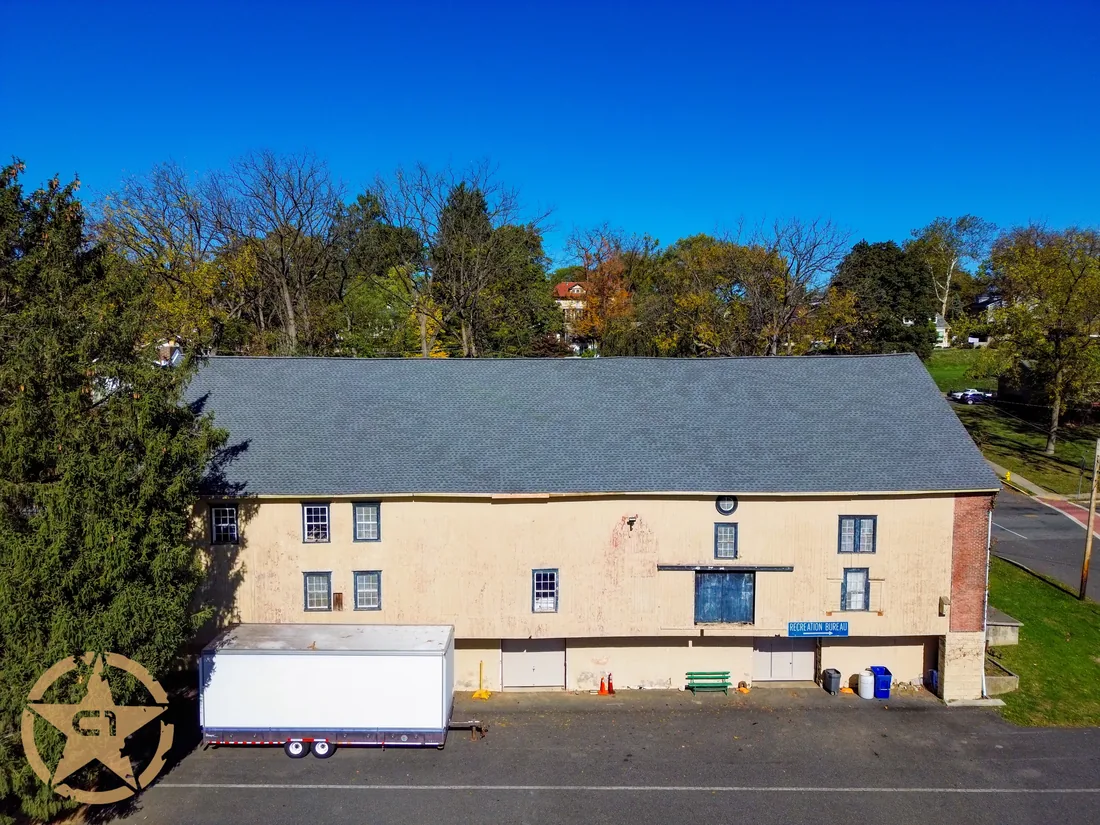
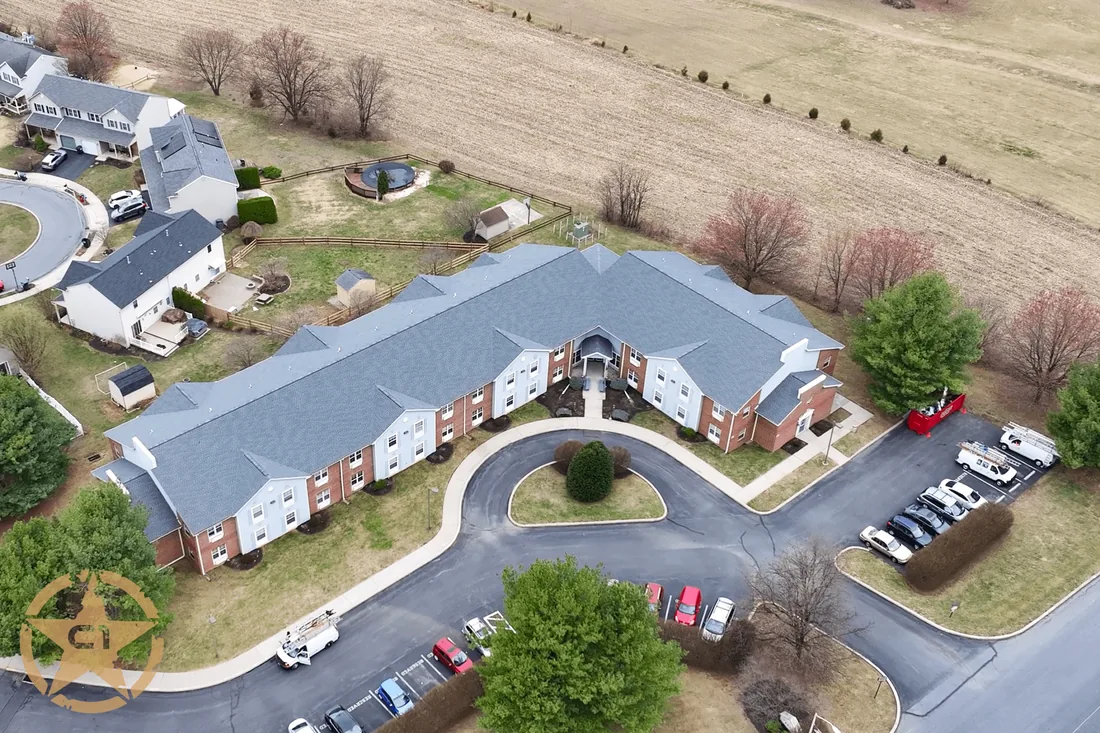
A repair is only as good as the person diagnosing it. These are commercial roofs we've installed around the Lehigh Valley, so we know how these systems are built and where they fail.




Commercial repair questions
Yes, and most commercial repairs happen exactly that way.
Schools, churches, medical tenants and multi-unit properties all have times that work and times that do not. That gets built into the schedule up front.
When the insulation is wet across a meaningful area, or the same roof has been repaired repeatedly in different places.
One failure is a repair. Failures appearing in unrelated spots usually means the system is at the end of its life, and you will be told that.
Often, and the documentation matters more because the numbers are larger.
Hail bruising on a membrane is real damage even before it leaks. It gets photographed the way a carrier needs to see it, before anything is filed.
Yes. Most commercial repair work is on somebody else's roof.
TPO, EPDM, modified bitumen, standing seam and coated roofs are all repaired regardless of who put them on.
Free assessment on any commercial roof, with photographs of the actual failure and a written scope.